AI in logistics
Dispatch, freight documents, investment decisions: we show logistics companies where AI genuinely holds up today, and then build it. Processing in Europe, GDPR-compliant.





What AI delivers in logistics today
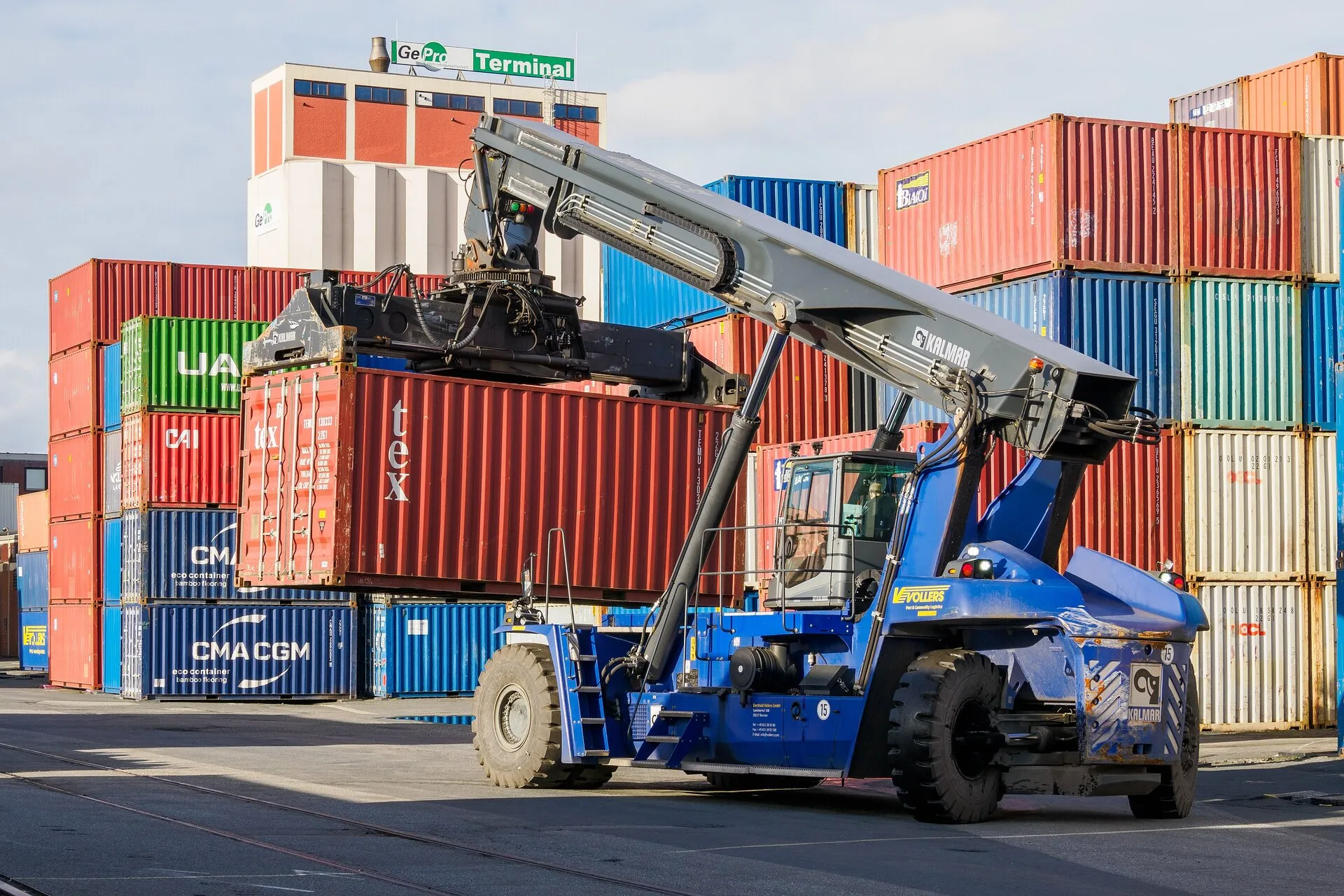
Logistics is the sector we have worked in longest. For the venture builder HHLA Next we built a complete venture from zero that compares terminal equipment and makes investment decisions traceable through total cost of ownership. The MVP stood in under six months, run with AI agents that handle document processing, investment calculations and research.
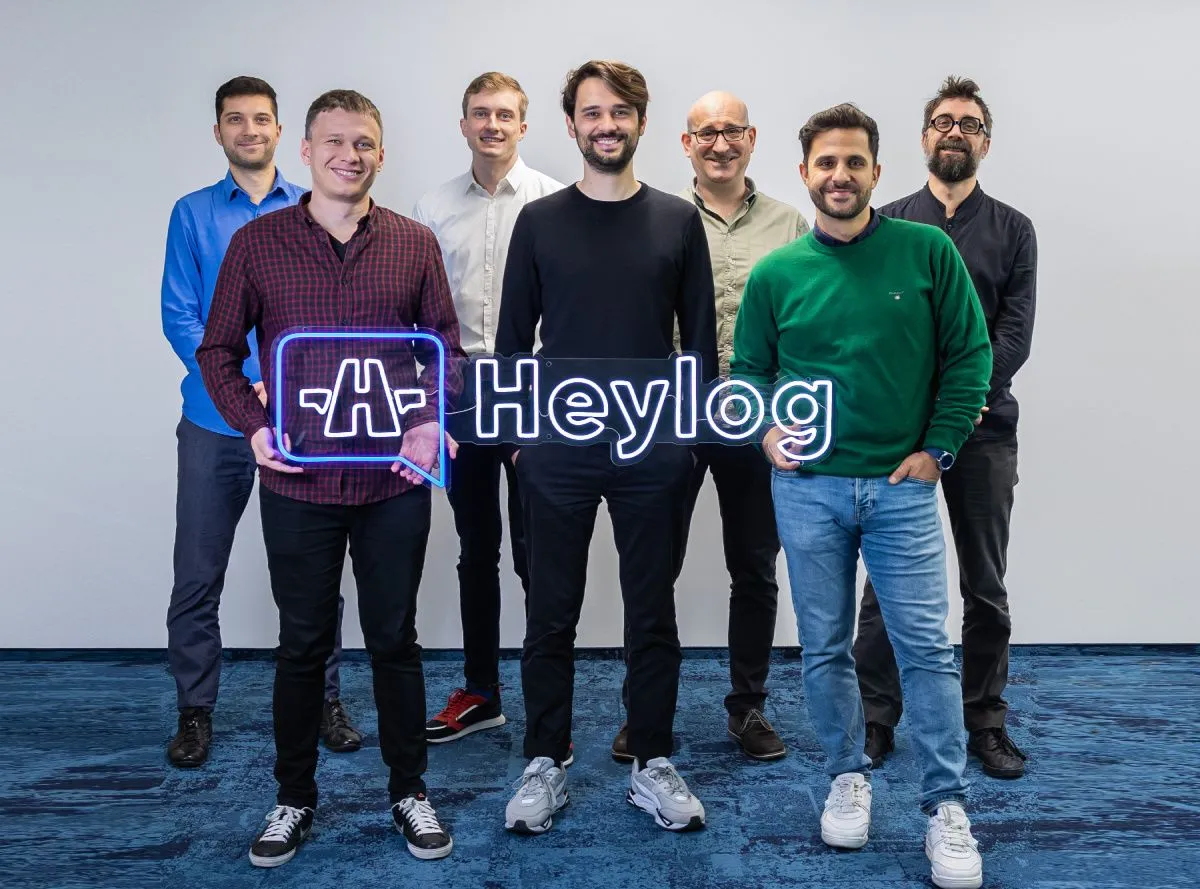
Before that we built Heylog, a logistics-tech company from Vienna funded with 3.8 million euros from Schmitz Cargobull, LKW WALTER and 9.5 Ventures. That one was about the gap between the dispatch desk and the cab: WhatsApp messages became structured workflows, from an agreed tour through to a captured document.
Both show the same pattern. In logistics, AI rarely fails on the model. It fails because the data sits scattered, because a plan leaving dispatch is overwritten by mid-morning anyway, and because nobody has time to look after a pilot. So we start with the process, not the tool.
We work from Vienna across the whole DACH region, on site or remote. Get in touch for a free, no-obligation intro call.

What we actually do in logistics
Documents and paperwork
Capture freight papers, delivery notes, customs documents and invoices automatically and write the results back into existing systems. At InStaff more than eight endpoints do exactly that, entirely inside the EU.
Communication along the chain
Turn messages from drivers and partners into structured transactions instead of leaving them in a chat log. That was the core of Heylog.
Decisions backed by numbers
Investment and TCO calculations that pull together scattered data on machines, energy and maintenance. For HHLA Next that became a product of its own.
Processing in Europe
Shipment and personal data do not leave the EU. On request with European-hosted or open models on infrastructure we run ourselves.
Four steps to the first result
A sequence that works alongside day-to-day business: few meetings, clear interim results and a decision after every step.
-
Intro call
In an intro call we establish your starting point and your goals. Then we go through the options for putting AI to work in your company. Free and without obligation.
-
Assessment
We review processes, systems and data and talk to dispatch, the warehouse and accounting. The result is a sober picture of where AI holds up today and where the foundations are still missing.
-
Workshop and prioritisation
One workshop with leadership and team puts the use cases in order by value, effort and risk. Afterwards it is clear what to start with and who owns it internally.
-
Pilot and operations
The first use case goes into production, with real data and a measurable result. On request we then take on running it, so the solution does not fail for lack of staff.


AI agents are a transformative technology that unlocks efficiencies across a wide range of businesses.
 willhaben
We are using AI agents to radically improve our business efficiency and quality of service for our customers.
 StartMatch
 We integrate seamlessly into your infrastructure
 Slack
Slack  Microsoft Teams
  Outlook
  Gmail
Gmail  Notion
  Google Drive
  Salesforce Slack Microsoft Teams Outlook Gmail Notion Google Drive Salesforce
  HubSpot
  OpenAI
  Anthropic
  Datadog
  Jira
Jira  Zapier
  Stripe HubSpot OpenAI Anthropic Datadog Jira Zapier Stripe
  GitHub
  Linear
  QuickBooks
  Zendesk
  Asana
Asana  Intercom
  Google Calendar GitHub Linear QuickBooks Zendesk Asana Intercom Google Calendar
 Common questions about AI in logistics
Which use cases pay off first in logistics?
Does this work with our TMS or forwarding software?
What happens to drivers’ personal data?
We are a mid-sized forwarder, not a corporate group. Is it worth it?
How long until the first result?
Will AI replace our dispatchers?
What does an AI project in logistics cost?
Who runs the solution afterwards?
Let us talk about AI in your logistics operation
Tell us where your company stands. We will show you where AI has the greatest leverage and put together a free, no-obligation quote.

How can we help?
Book an intro call and we will look together at which workflows are worth it and which are not.